

🗓️ Tuesday, August 25
🕐 10:30-11:45
📍 Grand Klimt Hall 1–2
Organised by the Intellectual Property, Technology, Media, and Telecommunications and International Private Clients and Family Law Commissions
Family life has moved online – and, increasingly, it is monetised. Family influencers, sharenting and child influencers raise complex cross-border questions at the intersection of family law, privacy and data protection, IP/media and platform law, and private clients / wealth planning. This session will explore the legal and ethical fault lines when creating, sharing, and monetizing content turns family life into a business model, offering a practical, lawyer-to-lawyer discussion on the legal risks arising when personal relationships and online businesses collide.
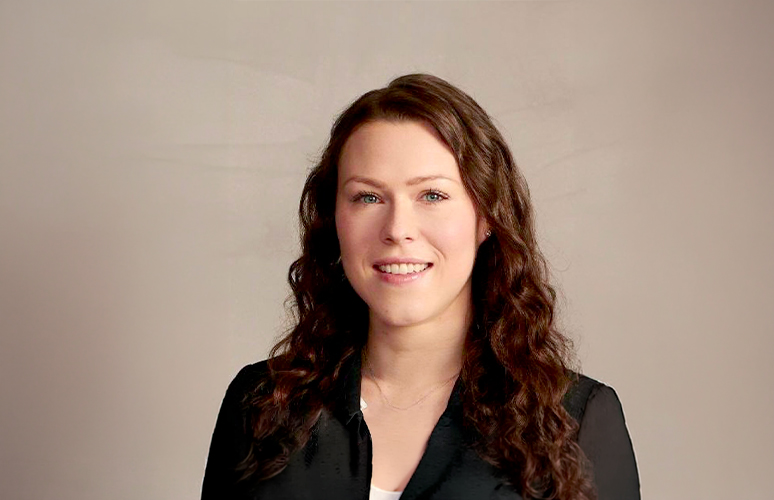
Lauren is a Partner in the Family & Divorce team at Kingsley Napley, an internationally recognised London law firm, advising clients on both complex financial arrangements and children issues, often with a global dimension. Lauren
is also a mediator and helps clients to work through the practical and legal issues arising from separation and divorce. Lauren is named as a Next Generation Partner in the Legal 500 and is “Recommended” in Spear’s Family Law Index.
Julia Pazos is a partner at Cescon Barrieu, one of Brazil’s leading full-service law firms, where she focuses on intellectual property, technology, and the digital economy. With more than 20 years of experience, she advises Brazilian and international companies on complex matters involving trademarks, copyright, technology transactions, digital platforms, and emerging regulatory frameworks.
A substantial part of Julia’s practice is dedicated to the creator economy, digital marketing, and influencer-driven business models. She regularly advises companies on influencer agreements, brand ambassador programs, licensing arrangements, and co-branding partnerships involving high-profile creators and digital personalities. Her work also includes advising brands and investors on intellectual property protection, monetization strategies, and risk management in campaigns involving influencers and multi-generational endorsement structures.
Julia is also actively involved in legal discussions surrounding emerging technologies and digital business models, including AI regulation, platform governance, Web3 initiatives, and digital content monetization. She frequently speaks at international conferences on topics related to artificial intelligence, intellectual property, digital regulation, and the evolving creator economy.
Her experience advising global brands, digital platforms, and technology-driven businesses provides her with a practical perspective on the intersection between influencers, digital identity, intellectual property, privacy, and commercial interests in today’s highly connected digital environment.
Michelle is a technology lawyer at Pinsent Masons. She specializes in platform, e-commerce, digital consumer and data privacy regulations. Michelle has been seconded to various tech companies such as Meta and Wish and closely works with the digital and e-commerce teams of fashion companies in a managed legal services format. Michelle started her career in the intellectual property field, focusing on music laws.
Tomek Wekwart works where law, technology and business collide, and where the
rules have not quite caught up with the tech. A Polish attorney-at-law (radca
prawny) and of counsel at a private-clients and family-business boutique, he
connects the dots across IP, technology and corporate/tax structuring for tech, e-
commerce, medtech, foodtech and food-sector clients. He works on ownership and
licensing of digital content and brands, advertising and marketing law, platform and
contract matters, food law and distribution, restructuring and international
expansion, within the EU digital-law framework (DSA, GDPR). Within a firm
focused on family wealth and succession, he brings the digital-assets and
structuring perspective to family-business questions. After hours, he’s a committed
foodie and a devoted father of two, which keeps the “family” side of these topics
very real.
Kirsten Wesiak-Schmidt is an associate in Homburger’s IP/IT, Data Protection and Litigation teams in Zurich. She specializes in data protection, intellectual property and technology law and represents clients in domestic and international disputes before courts and authorities. Kirsten completed her legal studies at the University of Basel (Dr. iur.), holds an LL.M. from Boston University School of Law, and is a Certified Information Privacy Professional (CIPP/E).
Agata is an attorney-at-law based in Warsaw, specialising in complex, cross-border family law disputes, with a particular focus on the rights and protection of children and young adults. She regularly represents parents and minors in civil, family and custody proceedings across jurisdictions, including parental child abduction cases under the Hague Convention, cross-border relocation disputes and reputation claims.
Agata advises on the legal frameworks available to protect vulnerable young people — including questions of parental authority, children’s consent, and the allocation and safeguarding of assets generated on their behalf. She also advises on matrimonial property agreements and asset division, with particular experience in cases involving non-traditional asset classes such as digital assets, intellectual property, personal brand value.
Dr. Donata Störmer is a partner at clover law in Berlin and a German attorney-at-law specializing in IP, copyright and media law. She has been practising as a lawyer for more than 15 years and is a certified specialist attorney for copyright and media law. She holds a doctorate in art law. Her practice focuses on trademark, design, copyright, unfair competition, press and media law, as well as data protection matters. Donata advises national and international companies, start-ups, agencies, publishers, institutions, celebrities, influencers and other high-profile individuals on the protection and enforcement of intellectual property rights, rights of privacy and publicity, advertising, reputation management, and complex contractual arrangements in the media and entertainment sector. Her experience at the intersection of media, entertainment, IP, privacy and digital business models gives her a practical perspective on the legal challenges raised by family influencers, digital identity, monetised online content and the protection of personal rights in a highly connected environment.